Brake-Pads Sinter With Abe
Kawasaki/Suzuki models
Important notes
Brake-Pads Sinter With Abe Kawasaki/Suzuki models
- High braking performance
- Extreme temperature resistance
- Short break-in period
- Optimal friction and deceleration values
- Excellent wet braking performance
- Minimal brake rotor wear
- Made in the EU
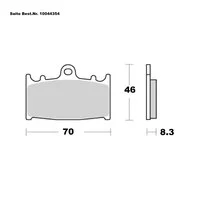
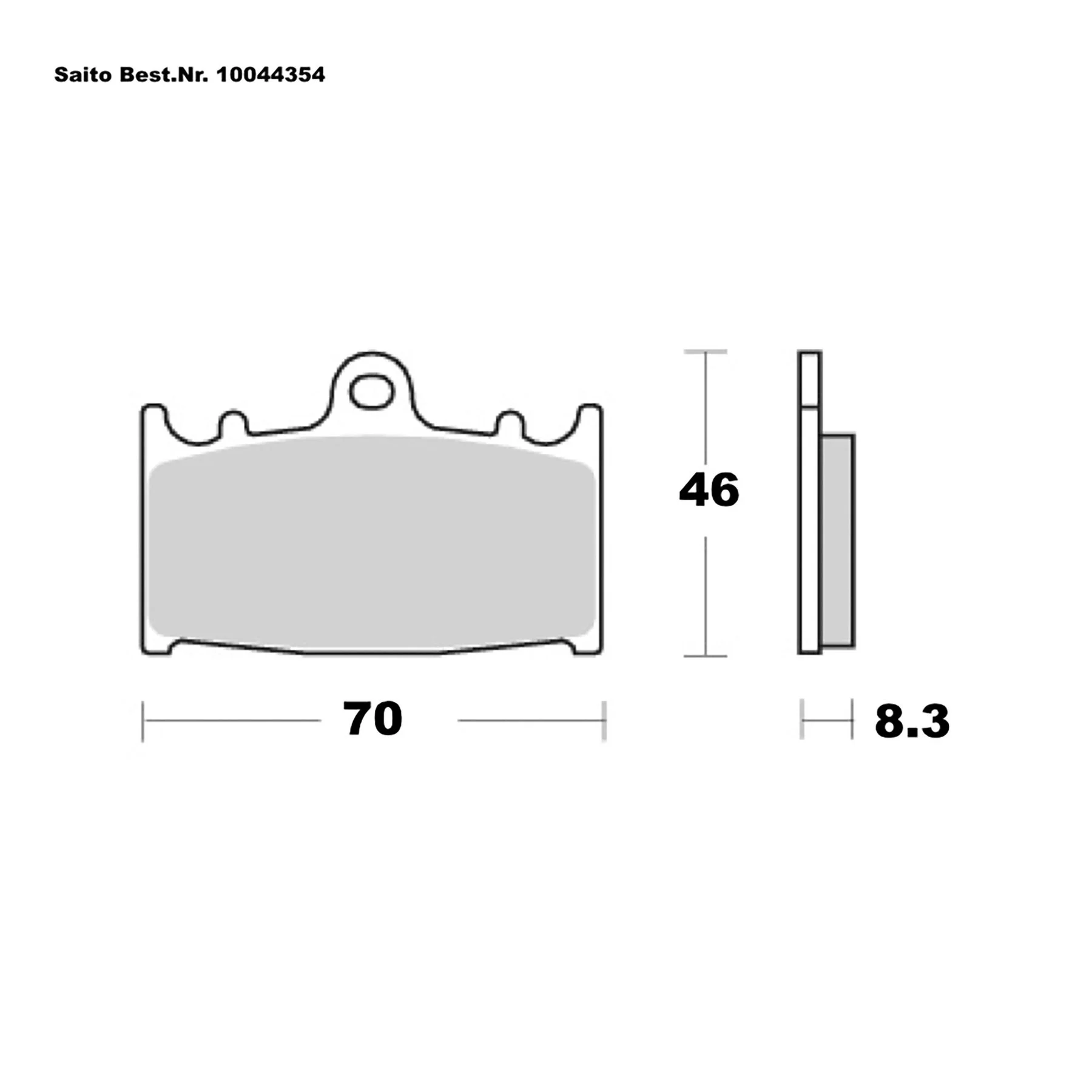
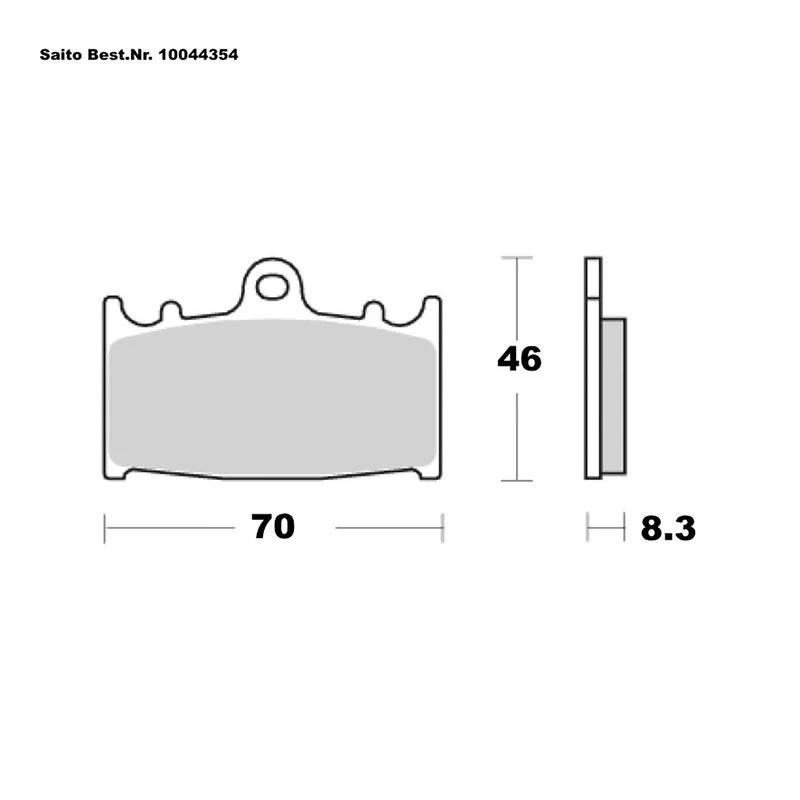
We have listed the exact dimensions of the LouisParts brake pads in the Documents section.
The price is per set for one brake rotor; if you have two rotors, please order 2 sets.
Be sure to watch: the Louis video *How To: Replace Brake Pads*. With our tips and tricks, it’s a breeze!
Important:
To prevent the new pads from squeaking after installation, ceramic paste is used for Sinter brake pads and on vehicles with Brclt. Under no circumstances should the paste come into contact with the pad! More effective and cleaner than copper or ceramic paste is anti-squeal film (10004371), which is applied to the back of the pad. It is suitable for brake systems with and without ABS and for both sintered and organic pads.
Please follow the safety instructions printed on the packaging and your vehicle manufacturer’s specifications. Installing incompatible brake pads can cause serious damage to your vehicle. Installation should only be performed by someone with the necessary technical knowledge or by a qualified professional.
Note: Sintered metal brake pads can be used on all steel brake rotors. For cast brake rotors, please follow the manufacturer’s instructions or refer to the technical report or general type approval (ABE).
Good to know:
Sintering is a specialized manufacturing process. In this process, up to 15 different powdered metals are compacted under heat (up to 1000 °C) and pressure. The result is a brake pad with very high strength and a virtually indissoluble bond to the backing plate.
List of compatible motorcycles
The ECE R90 regulation defines a set of internationally harmonized technical standards governing the design, performance, and safety of replacement brake components for road vehicles, including motorbikes. It ensures that aftermarket brake pads meet uniform, controlled performance parameters comparable to those of original equipment parts.
ECE R90 has been incorporated into European legislation as part of the broader EU vehicle safety regulation. For motorbikes within the applicable scope, ECE R90 approval replaces previous national certifications and serves as the mandatory standard for brake pad homologation.
With the introduction of ECE R90, the European approval system for replacement brake pads has been completely harmonized. In Germany, this regulation replaces the previous national ABE approval, which was issued by the KBA for all motorcycle models covered by R90. As a result, parts for newer vehicles no longer require separate German approvals; instead, they require the ECE R90 type approval mark as legally valid certification.
Scope
Only brake pads that have successfully passed the mandatory ECE R90 test procedures may be sold, distributed, or installed on regulated motorcycle models within the European Union and other regions that recognize UNECE regulations.
Motorbike brake pads covered by ECE R90 may only be marketed after the regulation comes into force if they bear a valid approval number and proper marking. For older motorbikes that fall outside the scope of the regulation, previous national approval procedures may continue to apply.
ECE R90 test requirements
To obtain ECE R90 homologation, motorcycle brake pads must undergo comprehensive testing that combines both an evaluation of performance in the vehicle and a laboratory analysis of physical properties. These tests ensure that the friction material properties of the replacement pads are at the same level as the OEM components, within the permissible tolerance range.
Safety-related performance tests
- Hot friction coefficient
- Average operating coefficient of friction
- Static friction (parking brake function, where applicable)
- Speed-dependent coefficient of friction behavior
- Compressibility
- Shear strength
- Thermal conductivity and heat transfer behavior
Marking requirements
ECE R90-approved motorcycle brake pads must bear a permanent marking on the backing plate. This marking includes the Emark (a circled E with the country code) and the unique R90 approval number to ensure complete product traceability and legal identification.

To ensure that your objective and truthful report will be really beneficial to all readers, please observe the following rules.
- Please only rate products that you have personally used for their intended purpose.
- Please give reasons for your positive and negative criticisms. Only then will they benefit other customers and allow us to improve the product if necessary.
- Please don’t copy content that has already been published elsewhere. It’s your personal experience which counts.
- Data protection: Please don’t include your own and other people’s addresses, telephone numbers or URLs or even the names of third parties (people as well as companies) in your review.
- In your product review, please don’t make comparisons with third party product ranges. Regardless of whether you judge these positively or negatively, you, or we as operators of this online shop, would be violating competition law.
Fair play: Please follow these rules so that we don’t have to shorten or delete your rating.
It will be checked once more – only product-related contributions will be published. Great that you’re helping others make their decision!
Do you really want to cancel your entry?